Rated 5.0 on Google · Checkatrade Approved · Drain Cleaning Specialists
Drain Cleaning London
Professional drain cleaning for blocked, slow-running and recurring drains across South West London. We use specialist equipment and CCTV inspections where needed to identify the cause and clear the blockage properly.
✓ Blocked sinks, showers, toilets and external drains
✓ Help with recurring and difficult blockages
✓ CCTV inspections where the cause is unclear
✓ Residential and commercial properties
Drain Cleaning London: Problems We Can Help With
Not every blockage looks the same. One drain may be running slowly, while another may be completely blocked or causing water to back up elsewhere. Our London drain cleaning service covers the common problems below, as well as recurring issues that need closer investigation.
Blocked showers and baths
Hair, soap scum and product residue can build up inside the waste pipe, causing water to drain slowly or collect around your feet. If the problem keeps returning, the blockage may be further along the pipe than it first appears.
Blocked sinks and basins
Kitchen sinks are often affected by grease, food waste and detergent residue, while bathroom basins can become blocked by hair and soap. We clear the obstruction and check that water is draining away properly before we leave.
Clogged toilets
A toilet that rises when flushed, drains slowly or repeatedly blocks may need professional toilet drain cleaning. We can assess whether the problem is within the toilet itself or further along the drainage pipe.
Blockages that keep coming back
A drain that blocks again soon after being cleared may have heavy build-up, root intrusion or damage inside the pipe. Where the cause is not obvious, we can recommend a CCTV drain inspection to see what is happening below the surface.
Several drains affected at once
A drain that blocks again soon after being cleared may have heavy build-up, root intrusion or damage inside the pipe. Where the cause is not obvious, we can recommend a CCTV drain inspection to see what is happening below the surface.
Slow or unpleasant-smelling drains
You do not always need to wait for a complete blockage. Slow drainage, gurgling noises and persistent smells can all be early signs that waste is building up inside the pipe.
Blocked external drains
Leaves, silt, grease and general debris can collect in outdoor drains and gullies. A serious drain blockage may also cause wastewater to overflow or unpleasant smells to develop around the property.
Not sure what is causing the problem? Tell us which drains are affected, what you have noticed and whether it has happened before. We can assess the issue and recommend the most suitable next step.

How We Find and Clear the Blockage
When we are called out for drain cleaning in London, we assess the problem properly so that we can identify the underlying cause of the blockage. This allows us to use the right method to clear the obstruction and check for anything that could cause the problem to return.
Step 1: We assess the problem
We check which drains are affected, how the water is behaving and whether the blockage has happened before. This helps us work out whether the issue is limited to one fixture or further along the drainage system.
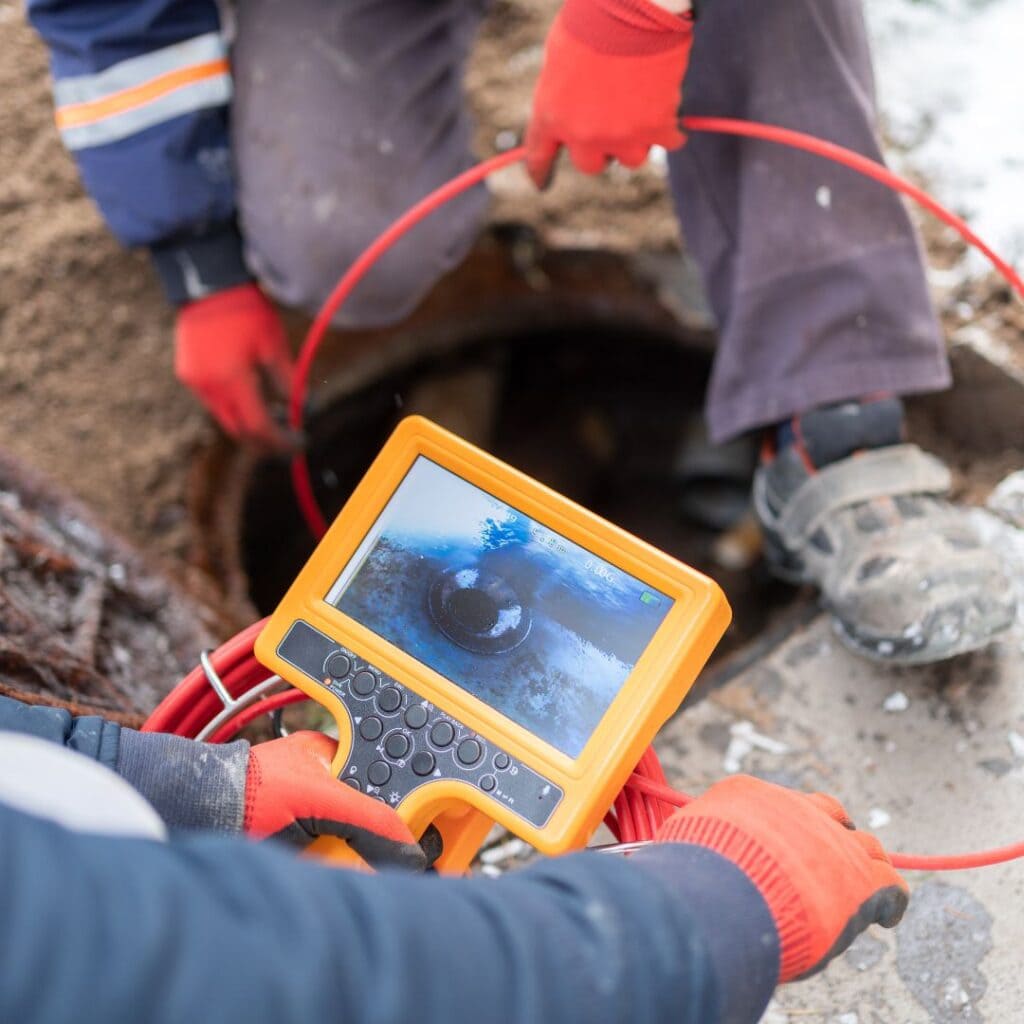
Step: 2: We use CCTV where needed
If the cause is unclear, the blockage keeps returning, or we suspect damage inside the pipe, we may recommend a CCTV drain inspection. This allows us to see what is happening inside the drainage system before recommending further work.
Step 3: We explain what we find
We explain the likely cause, what needs to be done and the expected cost before proceeding. You can ask questions and understand the recommended approach before any drain unblocking or cleaning work begins.
If we find damaged pipework rather than a straightforward blockage, we will discuss the available repair options separately.
Step 4: We use the most suitable cleaning method
Depending on the type and location of the blockage, we may use:
- High-pressure hydro jetting to remove heavier deposits such as grease, sludge, scale and general debris
- Rotary machine cleaning to break through tougher obstructions, compacted waste or some types of root intrusion
How We Clean Blocked Drains
High-pressure hydro jetting
High-pressure hydro jetting uses a specialist hose and nozzle to direct water through the drain at high pressure. It can remove grease, sludge, scale, silt and other deposits that have built up inside the pipe.
This method is often recommended where the blockage is difficult to clear or where more thorough pipe cleaning is needed along the inside of the drain.
Rotary machine cleaning
Rotary machine cleaning uses specialist equipment with a rotating attachment to break through or remove tougher obstructions inside the pipe.
Depending on the attachment used, it may be suitable for compacted waste, scale and some root intrusion. We assess the drain first to make sure it is the appropriate method for the pipe and the problem.

A Real Example of Our Drain Cleaning Work
The Problem
Tony contacted Absolute Plumbing Limited about an ongoing blocked drain that was causing a serious backup of waste.
Because the problem had persisted, it was important to identify the root cause rather than simply clear the immediate blockage.
What We Did
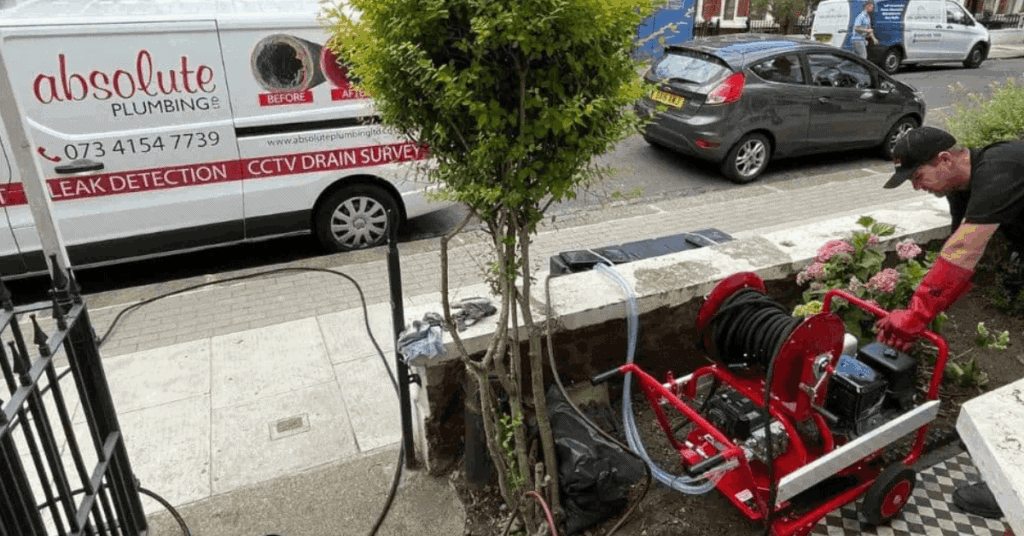
Adrian from Absolute Plumbing Limited used a specialist drain camera to inspect the pipework and locate the obstruction.
Once the cause had been identified, he used the appropriate drain-cleaning equipment to break it up and remove it fully. Adrian remained on site until he was satisfied that the drain was clear and the problem had been properly resolved.
The Result
The blockage was completely removed, the waste was flowing away again and the immediate risk of another backup was addressed.
“With their specialist camera, they identified the issue and then worked, with appropriate tools, until the root cause was broken up and completely removed from the drains.”
Tony Nealon – 5 Star Google Review for this job
Trusted Drain Cleaning Specialists in South West London
When you call Absolute Plumbing, you get clear advice, careful workmanship and a service based on what your drain actually needs. We take the time to understand the cause of the blockage, explain your options and choose the most suitable way to deal with it.
Whether the problem is straightforward or keeps returning, you will know what we have found, what we recommend and what the work is expected to cost before we proceed.
1. Checkatrade Approved and Independently Vetted
You can choose us with added confidence knowing that Absolute Plumbing has been independently vetted through Checkatrade.
2. Rated 5.0 on Google
You do not have to take our word for it. Our customers regularly mention our punctuality, professionalism, clear advice and quality of work.
3. Clear Advice and Transparent Pricing
We explain what we have found, what needs to be done and the expected cost before proceeding. You can ask questions and understand the recommended work before making a decision.
4. Support From a Drain Specialist
If cleaning reveals damaged pipework or another underlying issue, you will not be left wondering what to do next. We explain the available options and recommend suitable drainage solutions, including repairs where appropriate.
5. Respect for Your Property
We work carefully in your home or business, protect the surrounding area where needed and check that the drain is working properly before we leave.
Need Help With a Blocked Drain?
Whether the water is draining slowly, backing up or the same blockage keeps returning, we can assess the problem and recommend the right next step.
Call Absolute Plumbing for professional drain unblocking services across South West London.
Frequently Asked Questions About Drain Cleaning in London
Blocked drains are usually caused by waste or debris building up inside the pipe, although tree roots, damaged joints and collapsed pipework can also restrict the flow.
Common causes include:
- Fats, oils and grease from kitchens
- Food waste and detergent residue
- Hair, soap scum and bathroom products
- Wet wipes, sanitary products and other items that should not be flushed
- Excessive amounts of toilet paper
- Leaves, silt and debris in external drains
- Scale or mineral build-up inside older pipes
- Tree-root intrusion
- Cracked, displaced or collapsed pipework
If the same drain keeps blocking after it has been cleared, a CCTV drain inspection may be needed to identify an underlying problem rather than simply removing the immediate obstruction.
Absolute Plumbing charges £145 + VAT per hour for specialist drain cleaning in South West London, including descaling and high-pressure jetting.
The final cost will depend on factors such as:
- Where the blockage is located
- How difficult it is to access
- The type and severity of the build-up
- How long the cleaning takes
- Whether a CCTV drain inspection is needed
- Whether the pipe is damaged and requires separate repair work
If the inspection shows damaged pipework or another underlying issue, we will explain whether any additional drainage services are needed and quote for these separately.
The best way to clean a drain depends on what is causing the problem. For a small, accessible build-up, removing visible debris, using a plunger or flushing the drain with hot (not boiling) water may help.
Baking soda and vinegar may loosen light residue or reduce smells, but they are unlikely to clear a substantial blockage further along the pipe. Strong chemical drain cleaners should also be used with care. They may not clear the underlying cause, and any product left trapped in the pipe can create a chemical-splash risk when the drain is later opened or worked on.
More serious blockages may require high-pressure hydro jetting or rotary machine cleaning. If the problem keeps returning, affects several drains or causes wastewater to back up, a CCTV drain inspection may be needed to identify the cause.
Baking soda and white vinegar are generally safe for occasional use in most household drains. The reaction may help loosen light residue and reduce unpleasant smells, but it is unlikely to clear a substantial blockage further along the pipe. WaterSafe includes the mixture as one possible DIY approach for a blocked sink or shower drain.
After using it, flush the drain with hot rather than boiling water. Never combine vinegar with bleach or other chemical cleaning products, as mixing household cleaners can release dangerous fumes.
If the drain remains slow, keeps blocking or causes water to back up, it is better to have the underlying cause investigated than to keep repeating the treatment.
Completely cleaning a drain means removing the blockage as well as the grease, scale, hair, soap residue or other build-up coating the inside of the pipe. Household methods may help with visible debris and minor clogs, but they will not always reach deposits further along the drainage system.
For a minor problem, you can:
- Remove any visible hair, food or debris
- Use a plunger to loosen an accessible blockage
- Flush the drain with hot, rather than boiling, water
- Clean the trap if it is accessible and you know how to refit it correctly
A deeper or recurring blockage may require professional cleaning. High-pressure hydro jetting can wash deposits from the inside of the pipe, while rotary machine cleaning may be used to break through tougher obstructions.
If the drain keeps blocking or several fixtures are affected, a CCTV inspection may be needed to check for heavy build-up, root intrusion or damaged pipework.
Plumbers generally recommend preventing hair, grease, food waste and unsuitable items from entering your drains in the first place. Regular preventative habits are usually more effective than repeatedly using drain-cleaning products.
- Use drain strainers: Fit strainers over kitchen sinks, showers and baths to catch food, hair and other debris before it enters the pipe.
- Keep fats, oils and grease out of the sink: Allow them to cool and dispose of them in the bin. Wipe greasy pans and plates before washing them.
- Flush only toilet paper: Wet wipes, cotton buds, sanitary products and paper towels should go in the bin, even when packaging suggests they are flushable.
- Remove visible build-up regularly: Clear hair and residue from plugs, strainers and accessible parts of the drain before they create a larger blockage.
- Act when drainage begins to slow: A drain that is becoming slower, noisier or unpleasant-smelling is easier to investigate before it becomes completely blocked.
Hot water may help rinse away light soap residue, but it will not prevent fats and grease from setting further along the pipe. If a drain repeatedly blocks despite these precautions, the cause may be deeper in the drainage system and should be investigated.
The best tool depends on where the blockage is and what has caused it. A plunger may clear a small blockage close to a sink, shower or toilet, while a drain snake or auger can reach an obstruction further inside the pipe.
For more difficult blockages, a drainage specialist may use:
- High-pressure hydro jetting to clear grease, sludge, silt and other deposits using pressurised water.
- Rotary machine cleaning to break through or remove tougher build-up, compacted waste, scale or some root intrusion.
- CCTV equipment to locate the blockage and check for pipe damage when the cause is unclear or the problem keeps returning.
The right choice also depends on the condition and size of the pipe. Using unsuitable equipment or forcing a drain snake can push the blockage further along or damage fittings, so recurring or inaccessible blockages are best professionally assessed.
Plumbers generally do not recommend strong chemical drain cleaners as the first solution for a blocked drain. They may loosen certain types of organic build-up, but they do not always clear the whole obstruction or address the reason the drain keeps blocking.
Some drain cleaners are corrosive and can cause skin or eye burns. Product left trapped behind a blockage may also create a splash risk when the pipe is later opened, while mixing different cleaning products can release hazardous fumes.
For a minor blockage, removing visible debris or using the correct plunger may be a safer first step. If the drain is completely blocked, keeps blocking or affects several fixtures, professional assessment is usually more appropriate.
If you have already poured chemical cleaner into the drain, tell the plumber before they begin work.
Enzyme-based drain cleaners may gradually break down hair and other organic matter, but they are usually slow and may not clear a dense blockage. Always check that the product is suitable for your pipework and follow the manufacturer’s instructions.
For most hair blockages, physical removal is more effective. You can remove visible hair from the plughole or use an appropriate drain tool for a blockage close to the opening. More difficult or recurring blockages may require rotary machine cleaning or professional drain unblocking.
Avoid pouring boiling water down the drain, as it does not dissolve hair and may damage some plastic pipes or fittings. Strong chemical cleaners should also be used cautiously and should never be mixed with other cleaning products. If you have already used one, tell the plumber before work begins. Mixing chemicals can generate heat or hazardous gases.