Rated 5.0 on Google · Checkatrade Approved · Gas Safe Registered
Radiator Installation London | Repairs & Replacements
Need a radiator installed, replaced or repaired? Our team will assess your radiator and heating system first, explain what is actually needed and provide a clear quotation before any work begins.
With more than 10 years’ plumbing and heating experience, our team carries out careful radiator work for homes and commercial properties across South West and Central London.
✓ Honest advice on repair or replacement
✓ 10+ years’ plumbing and heating experience
✓ New installations, repairs and replacements
✓ Clear quotations before work begins
Radiator Problems We Can Help With
Radiator problems are not always caused by the radiator itself. The fault may sit with a valve, connection, circulation issue or another part of the heating system.
Our radiator fitters can investigate problems such as:
- A radiator that does not heat up
- Cold patches at the top or bottom
- A radiator that stays cold after bleeding
- Leaking valves, pipe connections or radiator panels
- Knocking, bubbling, hissing or vibrating noises
- Some rooms heating properly while others remain cold
- Rust, corrosion or visible damage
- A loose radiator or damaged brackets
- Radiators that take too long to warm up
- A radiator that does not provide enough heat for the room
- Repeated pressure or circulation problems
We will inspect the radiator and relevant parts of the heating system, explain what appears to be causing the problem and let you know what should be investigated or addressed next.

Radiator installation in London: Our Heating Services
Absolute Plumbing Limited provides radiator installation in London, along with radiator replacement, repairs and related heating and hot-water services for homes and commercial properties.

New Radiator Installation
Whether you are upgrading your heating system, renovating a room or adding an extension, we can install new radiators to suit the space. We will consider your heating requirements, the existing system and any pipework changes needed before fitting and testing the radiator.
Radiator Repairs
Not every radiator fault requires a replacement. We can investigate leaks, loose connections, cold spots, unusual noises and radiators that are not heating correctly, then explain whether the problem can be repaired or whether another part of the heating system needs attention.
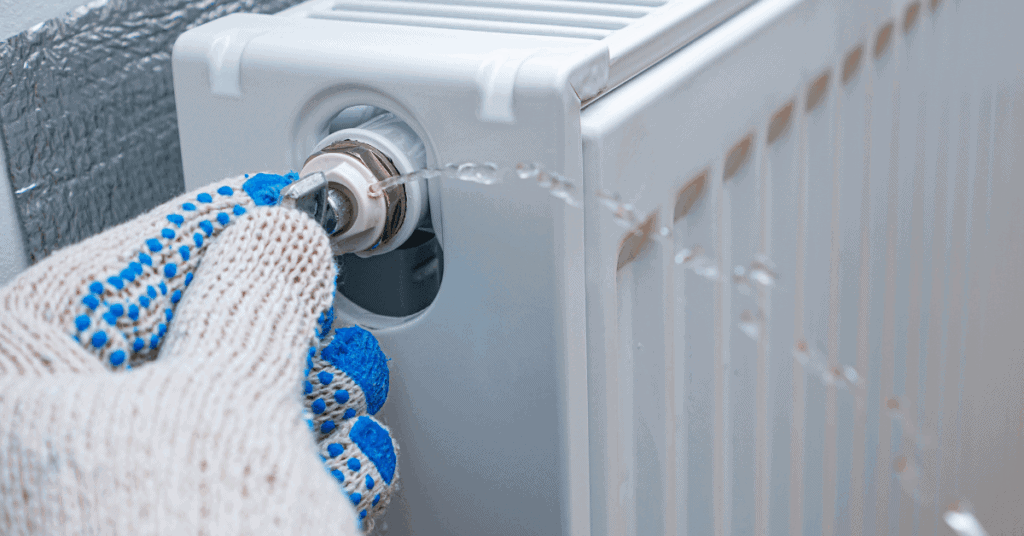

Radiator Replacement
If your radiator is damaged, badly corroded, leaking or no longer heating the room properly, we can remove it and fit a suitable replacement. This may be a straightforward like-for-like replacement or a different size or style where your heating needs or room layout have changed.
Moving or Adding Radiators
You may want to add another radiator if a room needs more heat, you are renovating the space or adding an extension to your property. We can also move an existing radiator when the room layout changes or its current position is no longer practical.

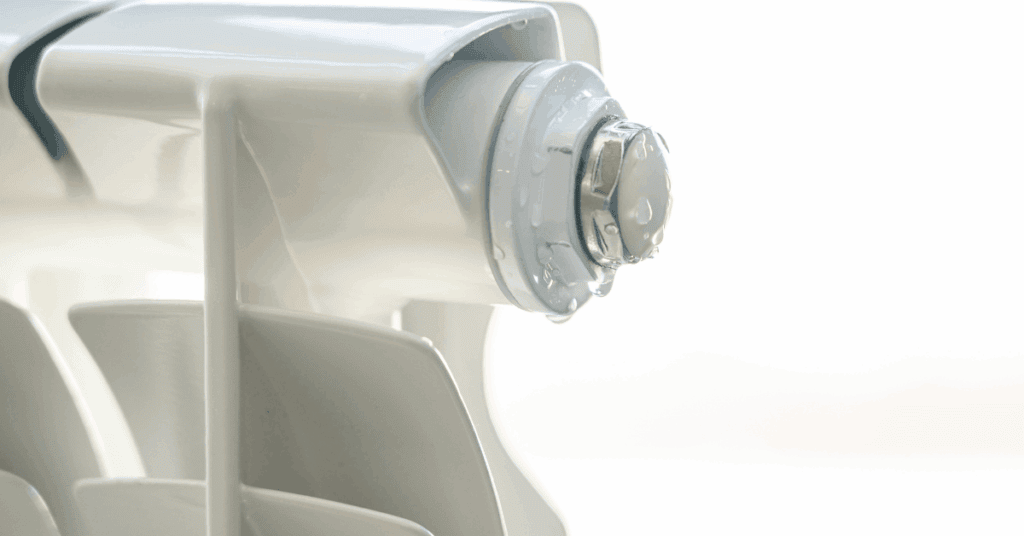
Radiator Valves and TRVs
If some radiators become hot quickly while others remain cold or only warm slightly, the heating system may need balancing. We can adjust the flow through the radiators so that hot water is distributed more evenly around the property.
If several radiators are slow to heat, have persistent cold spots or keep developing circulation problems, sludge may be building up inside the system. Where appropriate, we can carry out a power flush to help clear sludge and debris from the radiators and pipework and improve circulation.
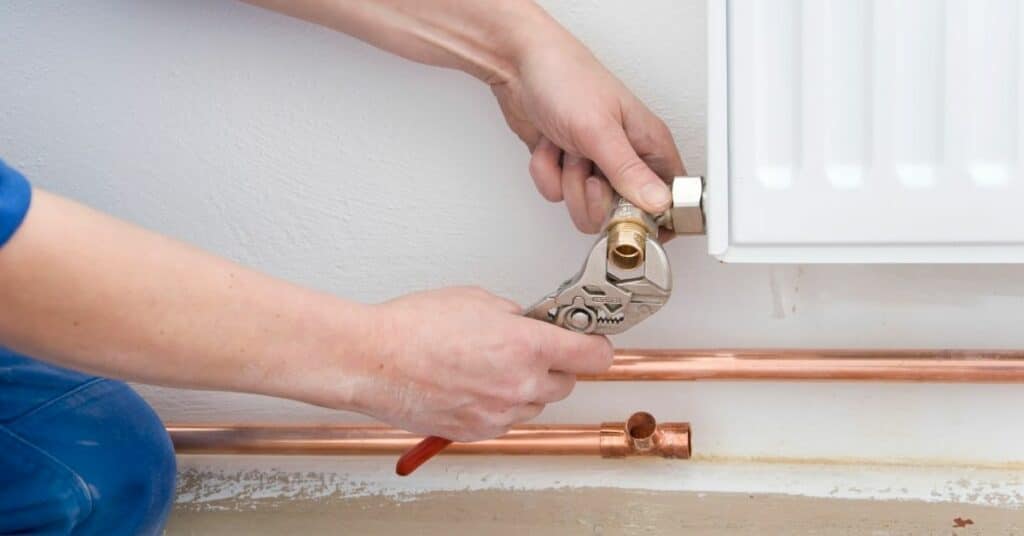

Unvented Cylinder Installation
We install unvented hot-water cylinders in homes and commercial properties. These systems provide stored hot water directly from the mains, and the installation is carried out by engineers with the appropriate qualifications.
Megaflo Services
If you have a Megaflo cylinder, we can help with installation, servicing, maintenance and repairs. We can investigate problems with your hot-water supply and repair or replace faulty components where required.
A Real Example of Our Radiator Repair Work
The Problem
Owen contacted Absolute Plumbing Limited after a radiator came loose from its brackets and needed to be secured back in place.
What We Did
Dave from Absolute Plumbing Limited inspected the radiator, sourced the materials needed from a local timber merchant and fixed it securely back onto its brackets.
While at the property, he also looked over the wider heating and hot-water systems and shared some helpful suggestions with the customer.
The Result
The radiator was secured quickly and efficiently without needing to be replaced. Owen was pleased with Dave’s practical approach and the additional advice he received about the rest of the system.
“Had Dave from Absolute Plumbing come this morning to look at a radiator that needed to be put back on its brackets that had fallen loose. He fixed the issue quickly and efficiently including going to get materials from the local timber merchant. He also looked more generally at our heating/hot water systems and gave some helpful suggestions. Top bloke – cheers!”
Owen Waldin – 5-Star Google Review


Radiator Installation and Repair Specialists
Radiator work should be based on what the system actually needs. Absolute Plumbing Limited has more than 10 years’ experience working with radiators, boilers and wider heating problems in homes and commercial properties.
Whether you need a repair, replacement or new installation, we will explain the work clearly, provide a quotation before starting and check that the system is operating properly before we leave.
1. Gas Safe Registered
Absolute Plumbing Limited is Gas Safe registered, and our engineers are qualified to carry out gas boiler and heating work safely and legally.
View our Gas Safe registration
2. Checkatrade Approved and Independently Vetted
Absolute Plumbing Limited has been independently vetted through Checkatrade, giving you added confidence in the company carrying out work in your home or business.
3. Rated 5.0 on Google
Customers regularly mention the team’s punctuality, professionalism, practical advice and quality of work.
4. Honest Advice and Clear Quotations
We do not automatically recommend replacing a radiator if it can be repaired. We explain the work required and provide a clear quotation before proceeding, so you can make an informed decision without unexpected costs.
Looking for a Radiator Installer Near Me?
Whether you need a new radiator fitted, an old one replaced or a fault repaired, Absolute Plumbing Limited will assess what is needed, explain the best way forward and provide a clear quotation before starting. Get in touch to arrange professional radiator installation in London.
Frequently Asked Questions About Radiator Installation & Repair
Absolute Plumbing Limited charges £110 + VAT per hour for radiator installation, with the total cost depending on the amount of work required.
A straightforward like-for-like replacement using the existing pipework will usually take less time than installing a radiator in a new position, moving or altering pipes, replacing valves or fitting several radiators. The radiator’s size, accessibility and the condition of the existing pipework and wall can also affect the labour required. These are the same factors commonly reflected in UK radiator installation cost guidance, which is why broad average prices are not always a reliable indication of what an individual job will cost.
The hourly rate does not include the radiator itself. The supply cost will depend on the size, heat output, material and style you choose, as well as whether new valves or other materials are needed.
Absolute Plumbing Limited will confirm the proposed work and provide a clear quotation before the installation begins.
Yes, adding a radiator where there is not already one will usually cost more than replacing an existing radiator in the same position.
A straightforward replacement may be able to use the existing pipework and connections. Installing a radiator in a new position generally requires additional time to run or alter pipework, fit new valves and brackets, connect the radiator to the heating system and test it once the work is complete. Access beneath floors or behind finishes may also affect the amount of work involved.
Absolute Plumbing Limited charges £110 + VAT per hour, so the final cost will depend on the time and materials required. The cost of the radiator itself is separate and will vary according to the size, style and heat output you choose. A clear quotation will be provided before the installation begins.
A straightforward like-for-like radiator replacement usually takes around one to two hours, while installing a radiator in a new position may take half a day or longer.
Replacing an existing radiator is generally quicker when the new model fits the current pipework and the existing valves, brackets and wall are in suitable condition. A larger or more complex radiator, mismatched pipe centres or alterations to the pipework may extend the job to three or four hours.
Installing a radiator where there is not already one takes longer because new pipework must be run to the position before the radiator can be mounted, connected, filled, bled and tested. Access beneath floors or behind walls, the distance from the existing heating circuit and any making-good work will also affect the timeframe.
Installing or replacing several radiators may take a full day or longer, depending on the number involved and whether pipework changes are required. The time should not necessarily be multiplied exactly by the number of radiators, as parts of the work can often be completed together.
Yes, Absolute Plumbing Limited can install a radiator that you have purchased yourself, provided it is suitable for the room and compatible with the existing heating system.
Before ordering, check the radiator’s dimensions, heat output and connection positions. A radiator may fit the available wall space but still be too small to heat the room properly. For a straightforward replacement, the pipe centres also need to align with the existing connections. If they do not, the pipework may need to be altered, which will add labour time, materials and cost to the installation.
You should also check whether the radiator requires new valves, brackets or specialist fittings. To reduce the risk of ordering an unsuitable radiator, you may prefer to have Absolute Plumbing Limited assess the space first and recommend the correct size and specifications. You can then purchase the radiator yourself with greater confidence that it will be suitable for the installation.
Yes, a radiator can usually be replaced with a different size or style, provided the new model is suitable for the room, available wall space and existing heating system.
The new radiator should provide the correct heat output for the room rather than being chosen on appearance alone. Its height, width and depth must also leave enough space for the radiator, valves and suitable clearance around it.
Changing from a standard horizontal radiator to a wider, narrower, taller or vertical model may require the wall brackets and pipework to be repositioned. If the new radiator’s connection points do not line up with the existing pipe centres, altering the pipes will add labour time, materials and cost to the job.
Absolute Plumbing Limited can assess the available space and advise whether your preferred radiator will work before you purchase it.
The pipework will usually need to be added or altered when a radiator is installed in a new position, but it may not need changing for a straightforward like-for-like replacement.
Where there is no existing radiator, new flow and return pipes must be run from the heating system to the chosen position. The amount of work involved will depend on the location of the nearest suitable pipework and whether access is needed beneath floorboards, behind walls or through other finished areas.
Pipework may also need adjusting when an existing radiator is replaced with a model that has different dimensions or connection points. For example, a wider, narrower, taller or vertical radiator may not line up with the current pipes and valves.
Any pipework changes will add labour time, materials and cost to the installation. Absolute Plumbing Limited can check the proposed radiator and installation position beforehand and explain whether the existing connections can be used.
Yes, a radiator can usually be moved to another wall, but the pipework will need to be rerouted to reach the new position.
The amount of work involved will depend on how far the radiator is being moved, where the nearest suitable heating pipes are located and how easily they can be accessed. Floorboards may need to be lifted, pipework may need to be extended or repositioned, and the radiator will need to be securely mounted and connected in its new location.
If the original position will no longer be used, the old pipework will also need to be removed or capped and the area left neat and tidy. Absolute Plumbing Limited takes care to minimise disruption and leave the space in good condition once the work is complete.
Because moving a radiator involves additional labour and materials, it will usually cost more than replacing one in the same position. The team will assess both locations and provide a clear quotation before the work begins.
Absolute Plumbing Limited charges £110 + VAT per hour to refit a loose radiator, plus the cost of any materials required.
A relatively simple job may be completed within the first hour. However, it can take longer if the radiator must be removed, the wall or fixings need to be reinforced, new brackets are required, or the pipework and valves have been strained or damaged. UK cost guidance similarly indicates that removing and repairing a radiator commonly takes around one to two hours, although the actual time depends on the work involved.
Because the work is charged by the hour, the price reflects the time needed to secure the radiator properly rather than a blanket fee. Any additional materials or work will be explained before proceeding, so you understand what you are paying for.
Yes, a loose radiator can usually be repaired without replacing the radiator itself, provided the radiator, valves and pipework have not been damaged.
In many cases, the problem is with the brackets, wall plugs or the section of wall supporting the radiator. The radiator may need to be removed so the wall can be repaired or reinforced and the correct fixings or new brackets installed before it is securely rehung. Competitor guidance similarly treats loose or damaged radiator brackets as a repair rather than an automatic reason for replacement.
Replacement may only be necessary if the radiator has been bent, cracked, badly corroded or damaged when it came away from the wall. The valves and connected pipework should also be checked for movement, strain or leaks.
Absolute Plumbing Limited will assess the radiator and supporting wall first, explain what is needed and provide a clear quotation before carrying out the repair.
No, a newly installed radiator should not normally start rusting within a few months, so the cause should be investigated rather than treated as ordinary wear.
Surface rust can develop if the paint or protective finish has been chipped or scratched, allowing moisture to reach the metal underneath. This may happen during delivery or installation, or in a damp room where condensation or water regularly sits on the radiator. Rust around a valve, connection or the bottom edge may also point to a small leak that is keeping the area wet.
There can also be corrosion inside the radiator if the heating system water has not been properly protected with corrosion inhibitor, particularly after the system has been drained and refilled. Internal corrosion may eventually contribute to sludge, cold spots or pinhole leaks.
Do not simply paint over the rust without checking where the moisture is coming from. Absolute Plumbing Limited can inspect the radiator, valves and connections, determine whether the issue is superficial or connected to a leak or the wider system, and advise whether it can be treated or should be raised with the radiator supplier under warranty.
A leaking radiator can often be repaired if the water is coming from a loose connection, faulty valve, bleed valve or nearby pipework. The radiator itself will usually need replacing if the leak is coming through a corroded panel, seam or pinhole in the metal.
The first step is to identify exactly where the water is escaping. A plumber may be able to tighten or reseal a connection, replace a worn valve or repair the adjoining pipework without replacing the radiator. However, sealants or patch repairs on a corroded radiator are generally only temporary, as further leaks may develop elsewhere in the weakened metal.
Absolute Plumbing Limited will inspect the radiator, valves and connections before recommending a repair or replacement. Do not ignore even a small leak, as escaping water can damage flooring and walls and may cause the heating system to lose pressure.
No, an old radiator does not automatically need replacing simply because of its age. If it heats the room evenly, reaches the expected temperature, does not leak and is free from serious corrosion, it may still have plenty of useful life left.
Replacement may be worth considering if the radiator has persistent cold spots, takes a long time to warm up, requires frequent bleeding, shows signs of rust or no longer provides enough heat for the room. Older radiators can also contain sludge or have a lower heat output than newer designs, but that does not mean every older radiator will be inefficient or that replacing it will automatically reduce your energy bills.
Absolute Plumbing Limited can assess the radiator’s condition and performance before recommending any work. Where cleaning, balancing, a valve replacement or another repair is sufficient, there may be no need to replace the radiator.
New radiators can heat a room more effectively than older models, but replacing an old radiator will not automatically reduce your energy bills.
Modern radiators often provide a higher heat output from the same amount of wall space because of improvements such as additional panels and convector fins. A correctly sized new radiator may therefore warm the room faster or provide enough heat while the heating system runs at a lower flow temperature, which can be particularly useful with modern condensing boilers or heat pumps.
However, an older radiator that heats evenly, is correctly sized and has no corrosion or sludge may still work perfectly well. Poor performance can also be caused by trapped air, restricted circulation, incorrect balancing or faulty valves, none of which necessarily requires radiator replacement.
Absolute Plumbing Limited can assess the radiator’s condition, heat output and suitability for the room before recommending a replacement. In some cases, bleeding, balancing, flushing or replacing a valve may be enough to improve its performance.
If your radiator is still cold after bleeding, trapped air is probably not the main problem. Common causes include a stuck or faulty radiator valve, sludge restricting the flow of hot water, an unbalanced heating system, low boiler pressure or a wider circulation problem.
The pattern of the cold area can provide a clue. A radiator that is warm at the top but cold at the bottom often has sludge inside it, while a radiator that remains completely cold may have a closed or stuck thermostatic radiator valve, restricted pipework or insufficient hot-water flow.
It is also worth checking the boiler pressure after bleeding, because releasing air can sometimes reduce the system pressure. If several radiators are affected, the system may need balancing or there may be a problem with the pump or circulation rather than with one radiator alone.
Absolute Plumbing Limited can inspect the radiator, valves and wider heating system to identify the cause and recommend the appropriate repair rather than assuming the radiator needs replacing.
Before replacing a radiator, check whether the new model will provide enough heat for the room, fit the available wall space and connect properly to the existing pipework.
The most important things to consider are:
- Heat output: The radiator should be correctly sized for the room. A radiator that fits the wall may still be too small to heat the space properly.
- Measurements: Check the height, width and depth, along with the space needed for valves and clearance around the radiator.
- Pipe centres and connections: If the new radiator’s connections do not line up with the existing pipes, the pipework may need to be altered, adding time, materials and cost.
- Wall condition: The wall must be strong enough to support the radiator and suitable fixings. Crumbling plaster, damaged masonry or lightweight walls may require additional preparation.
- Radiator type and compatibility: Check that the radiator, valves and fittings are suitable for your heating system and existing pipework.
- The condition of the existing system: Rust, sludge, faulty valves or circulation problems may need attention before the new radiator is fitted.
You should also confirm whether the quotation includes removing the old radiator, new valves or fittings, pipework alterations, system draining and balancing, and disposal.
Absolute Plumbing Limited can assess the room, existing radiator and pipework before you order a replacement, helping you choose a model that will fit properly and provide the right amount of heat.
You can install radiators yourself if you have strong plumbing experience, but fitting or replacing radiators throughout an entire house is not a sensible first-time DIY project.
Even a straightforward replacement involves isolating and draining part of the heating system, mounting a heavy radiator securely, connecting valves without leaks, refilling the system, restoring the correct boiler pressure and bleeding the radiators. A full-house installation may also require new pipework, soldered or press-fit connections, correctly sized radiators and system balancing so that every room heats evenly.
Mistakes can lead to leaks, damaged walls or flooring, poor circulation, recurring pressure loss and radiators that do not heat properly. The heating system should also be refilled with the appropriate corrosion inhibitor after significant work to help protect the new radiators and pipework.
Radiator work does not automatically require Gas Safe registration. However, you must not remove the boiler casing or work on the boiler or any gas-related component unless you are appropriately Gas Safe registered.
For one simple like-for-like replacement, an experienced DIYer may feel comfortable doing the work. For several radiators, new positions or a complete household installation, using a professional plumber is the safer option and helps ensure the system is properly sized, connected, balanced and tested.
Not for every radiator installation or replacement. A plumber can carry out straightforward radiator work without being Gas Safe registered, provided the job does not involve working on the gas boiler or other gas fittings.
Gas Safe registration is required when work involves the gas appliance itself, such as opening or altering a gas boiler or working on gas-related components. Gas Safe Register states that anyone carrying out gas work as part of a business must be appropriately registered and qualified for that work.
Because radiator problems can sometimes be linked to the boiler or wider heating system, using a Gas Safe registered company means the engineer can identify when the issue extends beyond the radiator and safely carry out any gas-related work that may be needed.
Absolute Plumbing Limited is Gas Safe registered and can handle both radiator work and any connected gas boiler or heating-system issues within the team’s qualifications.
Air conditioning can be a good alternative to radiators in some UK homes, especially modern, well-insulated properties, but it is not automatically the better option for every household.
Reversible air-conditioning systems work as air-to-air heat pumps. They can provide both heating and cooling, which may be appealing if you also want relief during warmer weather. They tend to work best where the property has good insulation and the system is designed to heat all the rooms you use regularly.
However, one indoor unit will usually only heat the room or area it serves. Heating an entire home may require several units, an outdoor unit and additional pipework. These systems also do not normally provide hot water for taps and showers, so you will still need a separate hot-water solution.
Running costs will depend on the property, insulation, electricity tariff and the heating system being replaced. Air-to-air heating can be efficient, but electricity costs more per unit than mains gas, so it will not always be cheaper than using a modern gas boiler and radiators.
Before replacing a working radiator system, consider the number of rooms you need to heat, your hot-water requirements, installation costs and whether you want cooling as well as heating. In some homes, air conditioning may be a practical choice; in others, keeping or upgrading the radiators will make more sense.