Rated 5.0 on Google · Checkatrade Approved · Gas Safe Registered
Power Flush London
Are your radiators slow to heat up, cold in places or warming unevenly?
Absolute Plumbing Limited will assess what is causing the problem first. If power flushing is the right solution, we’ll clean the system using specialist equipment to help restore better circulation and more even heating.
✓ Heating system assessed before power flushing is recommended
✓ Specialist power flushing equipment and cleaning chemicals
✓ More than 10 years’ plumbing and heating experience
✓ Clear quotation before work begins
Cost of Power Flushing a Central Heating System
With Absolute Plumbing Limited, you pay for the time your system actually takes to clean.
Our heating rate is £110 + VAT per hour.
A smaller heating system will generally take less time to power flush than a large property with many radiators, while a heavily clogged system may need more time to clear properly.
Most domestic power flushes can be completed within a working day, although the exact time depends on the number of radiators and how much sludge and debris is present.
Before we begin, we’ll assess the system and explain what is likely to be involved, so you have a clear idea of the expected cost.

Signs Your Heating System May Need a Power Flush
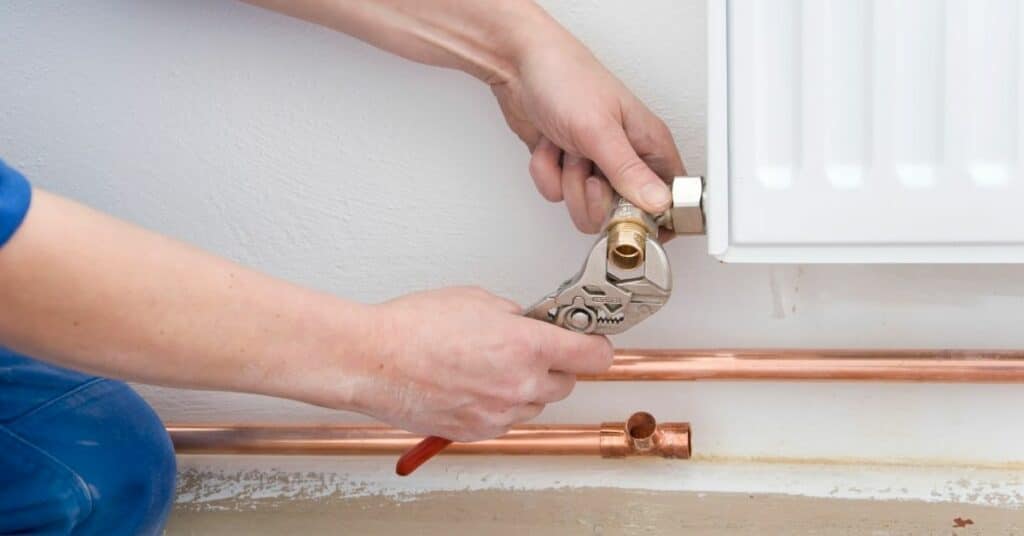
A central heating power flush can help when sludge and debris have built up inside your radiators and pipework and are restricting the circulation of hot water.
Common signs include:
- Radiators that are cold at the bottom
- Persistent cold spots even after bleeding the radiator
- Some radiators heating properly while others stay cold
- Radiators taking much longer than usual to warm up
- Dirty or dark water when you bleed a radiator
- Noisy radiators or heating pipes
- Poor circulation around the heating system
- Heating problems that keep coming back
Do You Actually Need a Power Flush?
If your radiators are not heating properly, you probably want to know one thing first: will a power flush actually fix the problem?
Not always. Cold spots, slow heating and poor circulation can be caused by sludge, but they can also come from trapped air, faulty valves, balancing issues or another fault in the heating system.
That is why we assess the system before recommending a power flush. We want to establish whether sludge and debris are genuinely restricting circulation, rather than charging you for a service that may not solve the issue.

When a Power Flush May Be Worth Considering
- Several radiators are affected rather than just one
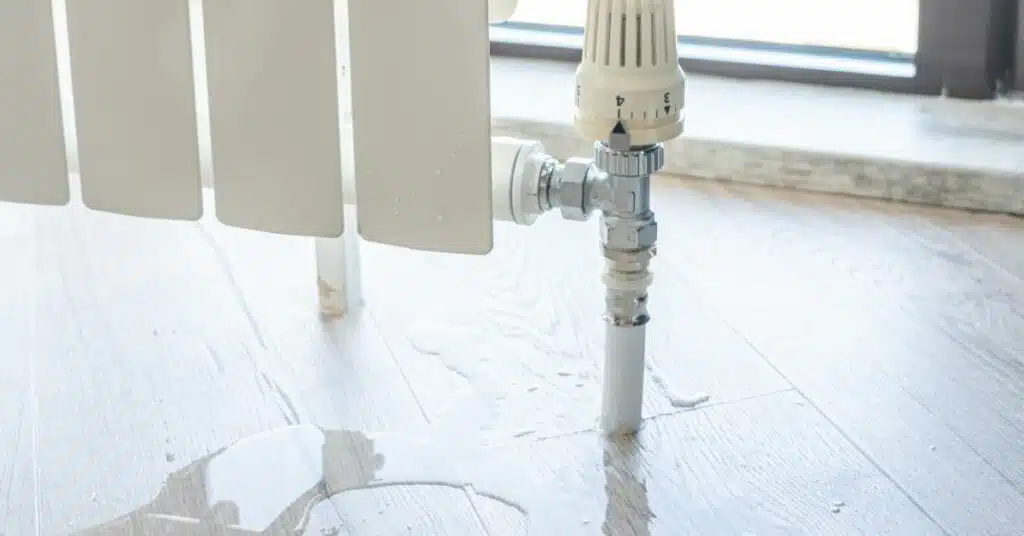
- Radiators stay cold at the bottom or have persistent cold spots
- The water in the system is dark or heavily contaminated
- Heating performance has gradually worsened across the system
- Poor circulation keeps returning after simpler fixes
- Sludge or magnetic debris has been found in the system
If the problem is caused by something else, we will explain what we have found and recommend the more appropriate repair instead.
Power Flush London: Heating Specialists
If your heating is not working properly, you want to know that the money you spend will actually solve the problem.
That is why our team checks the system first rather than assuming you need a power flush. We look at what is causing the problem and only recommend power flushing when it is genuinely needed.
1. Gas Safe Registered
Absolute Plumbing Limited is Gas Safe registered, and our engineers are qualified to carry out gas boiler and heating work safely and professionally.
View our Gas Safe registration
2. Checkatrade Approved and Independently Vetted
We have been independently vetted through Checkatrade, giving you added confidence in the company carrying out work in your home or business.
3. Rated 5.0 on Google
Customers regularly praise the team for turning up when expected, explaining problems clearly and carrying out work carefully and efficiently.
4. Careful, Considerate Work
We take care around your home while the work is carried out, keep disruption to a minimum and make sure the work area is left neat and tidy when we’re finished.
Need a Power Flush in London?
If your radiators are cold, slow to heat or not warming evenly, contact us and we’ll check what is causing the problem and tell you whether a power flush of your central heating is actually the right solution.
Frequently Asked Questions About Power Flushing
A power flush is a professional method of cleaning a central heating system to remove sludge, rust, scale and other debris from the radiators and pipework.
A specialist power flushing machine circulates water and cleaning chemicals through the system at a high flow rate, helping to loosen contamination so it can be flushed out. The system is then rinsed and refilled.
A chemical flush and a power flush both clean a central heating system, but they use different methods.
With a chemical clean, a cleaning product is added to the system and circulated to break down sludge and deposits before the system is drained and rinsed. A power flush uses a specialist machine as well as cleaning chemicals, creating a much stronger flow through the system to help remove more stubborn contamination.
The right option depends on how contaminated the system is. A heating system should be assessed before deciding that the more intensive power flushing method is necessary.
A full power flush is best carried out by an experienced heating engineer because it requires specialist equipment, suitable cleaning chemicals and an understanding of how to flush the system without causing problems.
Vaillant specifically advises homeowners not to power flush a system themselves because the process requires a dedicated machine, appropriate chemicals and knowledge of different heating-system configurations.
Manually flushing an individual radiator is different from professionally power flushing an entire central heating system.
Your heating system should normally be properly cleaned when a new boiler is installed, but that does not automatically mean every boiler replacement requires a power flush.
Worcester Bosch recommends cleansing an existing heating system before a new boiler is installed and following the cleaning requirements in BS 7593 and the boiler manufacturer’s instructions. Vaillant also requires heating systems to be flushed, cleansed and treated appropriately for its installations and guarantees.
The installer should assess the condition of the existing system and decide which cleaning method is appropriate. If there is significant sludge or contamination, power flushing may be recommended.
Not necessarily. Replacing a radiator does not automatically mean the entire heating system needs a power flush.
However, if the old radiator or system shows signs of significant sludge or contamination, cleaning the system may be worthwhile before or during the work. Worcester Bosch also advises that systems should be cleaned again where new radiators or pipework are introduced as part of a boiler installation, before corrosion inhibitor is added.
If only one radiator is affected and the rest of the system is clean and circulating properly, a full power flush may not be necessary.
There is no reason to power flush a heating system simply because a set number of years has passed. The need for cleaning should depend on the condition of the system, the quality of the system water and whether sludge or corrosion debris is causing problems.
Modern heating-system guidance places emphasis on keeping system water clean and correctly treated rather than repeatedly power flushing an otherwise healthy system. Vaillant, for example, requires systems to be cleaned and inhibited appropriately and the inhibitor and system cleanliness to be checked as part of ongoing maintenance.
If your heating is working properly and the system water is in good condition, another power flush may not be necessary.
Power flushing should be carried out when the condition of the heating system justifies it, rather than as routine work whenever a radiator problem appears.
If sludge keeps returning after a system has already been properly cleaned, it is more useful to investigate why contamination is building up again. Correct inhibitor levels and, where appropriate, system filtration can help protect against ongoing corrosion and sludge formation.
Repeatedly power flushing without addressing the underlying cause is unlikely to be the best long-term solution.
An older heating system can often be power flushed, but its condition should be checked first.
Sentinel states that systems over 20 years old can be power flushed provided they are sound and free from leaks. The concern with a badly corroded system is that existing weak points may already be close to failure, so an engineer should assess its condition before carrying out an intensive clean.
The age of the system alone does not mean a power flush is unsuitable.
If a radiator remains cold after a power flush, sludge may not have been the only cause of the problem.
Poor heating can also be related to circulation problems, radiator valves, trapped air, balancing or faults elsewhere in the heating system. Very stubborn contamination can also require further cleaning; Fernox notes that heavily contaminated systems can sometimes need additional treatment or repeat cleaning.
The next step should be to diagnose why that radiator is still not heating properly rather than automatically carrying out another power flush.
A power flush is designed to remove as much sludge, corrosion debris and other contamination as possible, but no responsible engineer should promise that every deposit in every heating system will always be removed.
Heavily contaminated systems can contain hardened deposits or badly restricted sections that require additional cleaning or attention. Fernox specifically notes that particularly dirty systems may need an additional or repeat cleaning treatment.
The aim is to leave the system water clean and restore circulation where contamination has been restricting it.
Yes, a properly cleaned central heating system should normally be refilled with a suitable corrosion inhibitor to help protect it against future rust, scale and sludge formation.
Both Fernox and major boiler manufacturers recommend adding inhibitor once the system has been thoroughly cleaned and rinsed. The inhibitor does not replace good system maintenance, but it helps protect the internal metal components after cleaning.
One thing I would confirm with Absolute before publishing this particular answer: whether inhibitor is included as standard in their power flushing service or charged separately. Then we can change that second paragraph to explicitly say what Absolute Plumbing Limited does.